Best Way to Store Salmon: Fresh, Cooked & Smoked in the Fridge or Freezer Recipe
Introduction
Storing salmon properly ensures it stays fresh, flavorful, and safe to eat. Whether you have fresh, cooked, or smoked salmon, knowing the best methods for refrigeration and freezing can extend its shelf life and maintain quality.
Ingredients
- Fresh salmon fillet
- Cooked salmon
- Smoked salmon
- Cling film or vacuum seal bags
- Heavy foil or labelled freezer bags
- Paper towels
- Ice (for chilling fresh salmon in the fridge)
Instructions
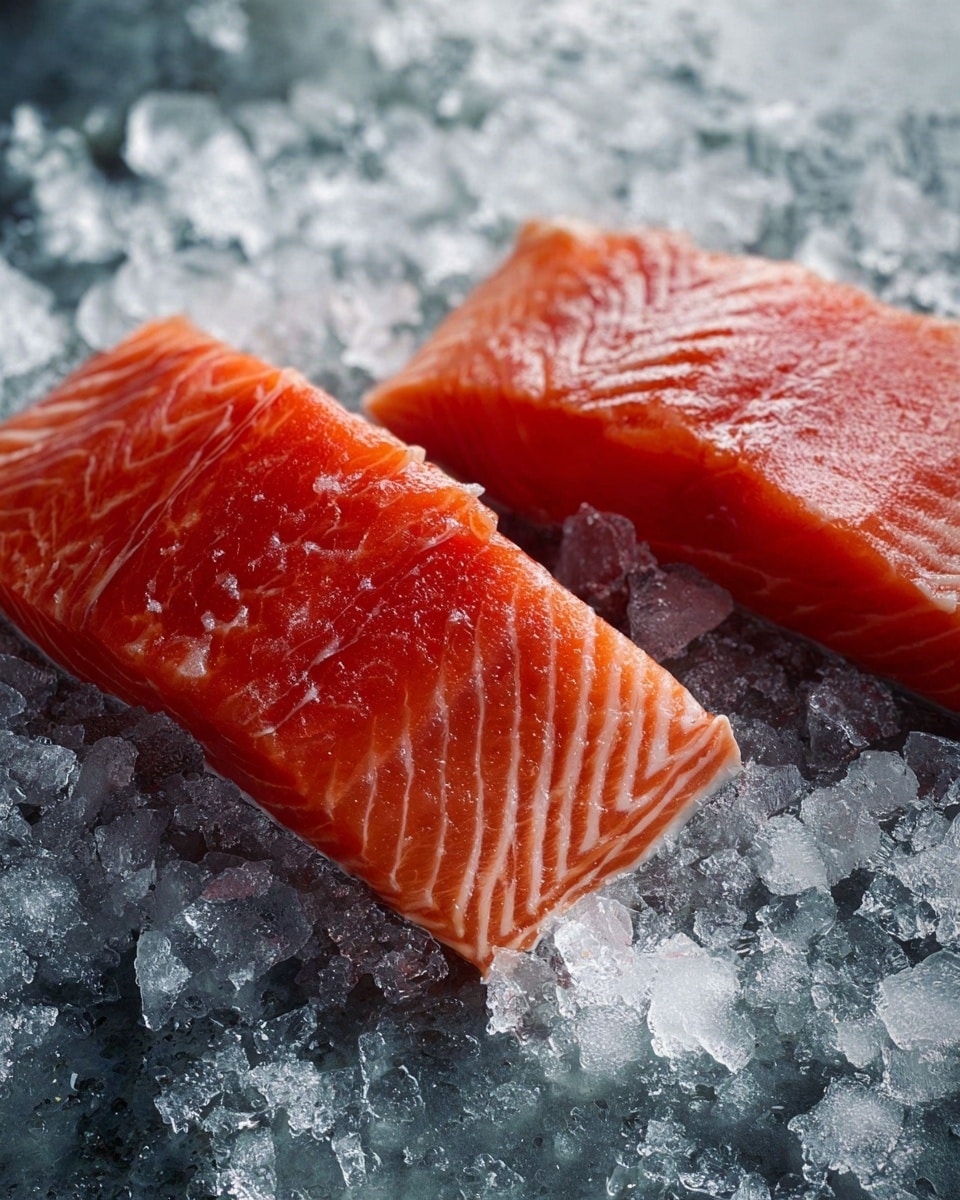
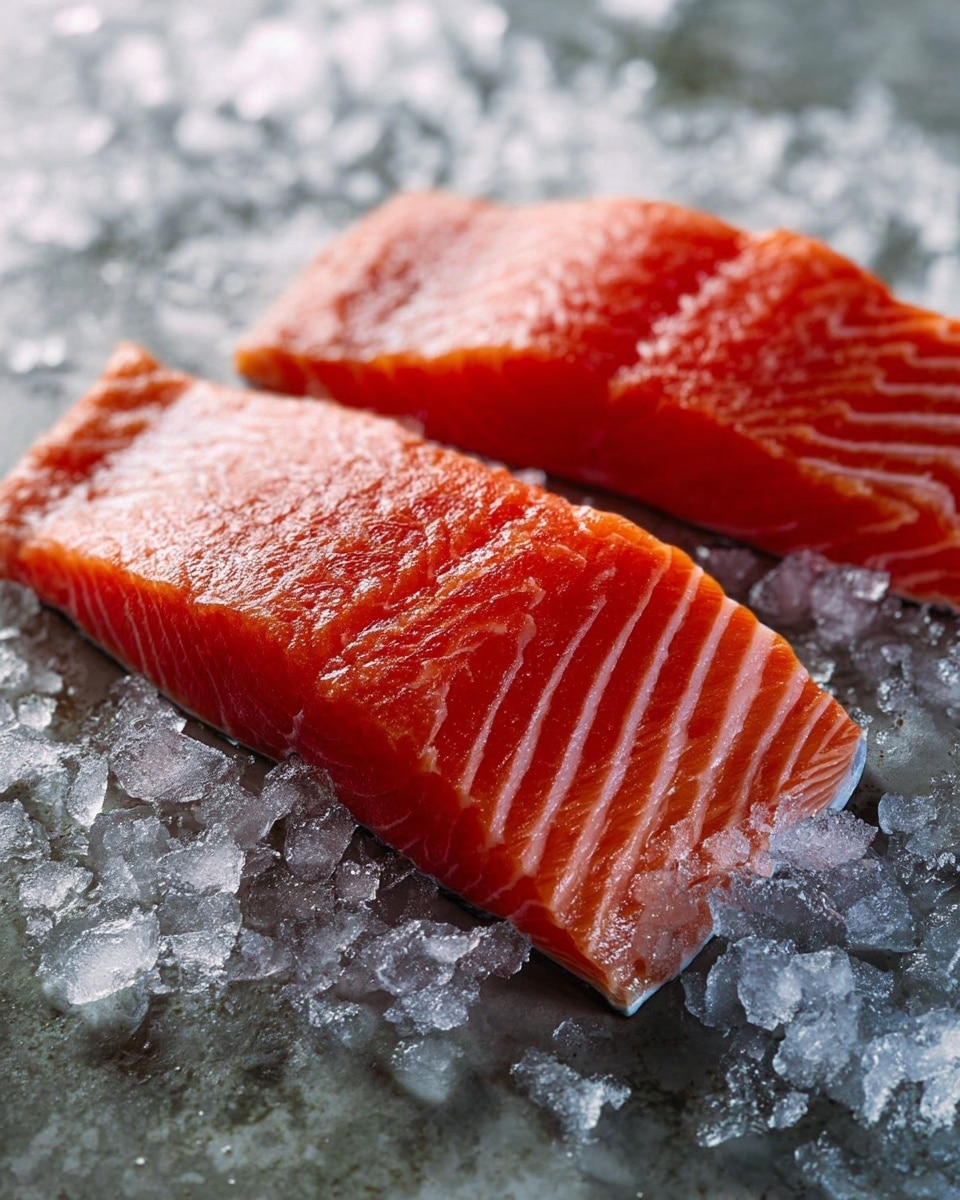
- Step 1: To store fresh salmon in the fridge, keep the fillet in its vacuum pack or wrap tightly with cling film. Place it on a plate of ice and keep the temperature between 0–2 °C (32–36 °F). Use within 48 hours.
- Step 2: For freezing fresh salmon, dry the surface with a paper towel to remove excess moisture. Double-wrap the fillet first with cling film, then with heavy foil or place in a labelled freezer bag. Vacuum sealing is best. Freeze flat to maintain shape and use within three months for best flavor.
- Step 3: Store cooked salmon in an airtight container lined with paper towels in the fridge at or below 4 °C (39 °F) for up to 72 hours. For longer storage, vacuum seal or double-wrap and freeze at −18 °C (0 °F) for up to two months.
- Step 4: Keep unopened vacuum-packed smoked salmon in the fridge until the use-by date. Once opened, wrap tightly, remove air, and refrigerate for up to five days. You can freeze smoked salmon in 100 g portions, double-wrapped, for up to two months. Thaw overnight in the fridge before use.
- Step 5: When freezing salmon in store packaging, over-wrap the original pack with foil to reduce oxygen exposure and odors, preserving quality.
- Step 6: For best results when freezing, freeze raw salmon rather than cooked to better preserve texture. Cook after thawing for meal prep.
- Step 7: Thaw salmon safely by placing it in the fridge overnight. Alternatively, use a cold-water bath in a sealed bag with water at 4 °C, changing water every 30 minutes (about 1 hour per 500 g). Avoid thawing on the countertop to prevent bacteria growth.
Tips & Variations
- Keep ice handy when storing fresh salmon in the fridge to maintain the ideal cold temperature and freshness.
- Leave cooked salmon steaks whole before freezing and reheating to retain juiciness.
- Divide smoked salmon into small portions before freezing to avoid repeated thawing and freezing.
- Always wrap salmon tightly to minimize air exposure and prevent freezer burn.
Storage
Fresh salmon should be stored on ice in the fridge and used within 48 hours or frozen for up to three months. Cooked salmon lasts up to 72 hours refrigerated and two months frozen. Smoked salmon keeps refrigerated unopened until use-by date or five days once opened; freezing is possible for up to two months. Thaw frozen salmon safely in the fridge overnight or in a cold-water bath, and avoid thawing at room temperature to reduce food safety risks.
How to Serve
Serve this delicious recipe with your favorite sides.
FAQs
Is it safe to keep raw salmon in the fridge for 5 days?
No. Raw salmon’s quality declines after 48 hours, and the risk of spoilage increases. It’s best to freeze it if you cannot cook it within that time.
How should I store cooked salmon for meal prep?
Allow cooked salmon to cool to room temperature before portioning. Store it in an airtight container lined with paper towels in the fridge and consume within 3 days.
PrintBest Way to Store Salmon: Fresh, Cooked & Smoked in the Fridge or Freezer Recipe

A comprehensive guide on the best practices for storing fresh, cooked, and smoked salmon to maintain optimal freshness and quality. Includes detailed tips for refrigeration, freezing, thawing, and handling to ensure safety and flavor retention.
- Prep Time: 5 minutes
- Cook Time: Not applicable
- Total Time: Not applicable
- Yield: Guidelines applicable per quantity of salmon stored
- Category: Food Storage
- Method: No-Cook
- Cuisine: Universal
Ingredients
Not Applicable
- No ingredients required as this is a food storage guide.
Instructions
- Store Fresh Salmon in the Fridge: Leave the fresh salmon fillet in its vacuum pack or wrap it tightly in cling film. Place the fish on a plate of ice and keep it at a temperature between 0–2 °C (32–36 °F). Use or freeze the salmon within 48 hours for best quality.
- Store Fresh Salmon in the Freezer: Before freezing, pat the surface dry with a paper towel to avoid ice crystal formation on the fish flesh. Double-wrap the fillet first with cling film and then with heavy foil or place it in a labelled freezer bag. Vacuum sealing is even better. Freeze the fish flat to keep it straight and to allow even thawing. Consume within 3 months to enjoy peak flavor, but it remains safe up to 6 months.
- Store Cooked Salmon: Cool cooked salmon to room temperature, then store it in an airtight container lined with a paper towel to absorb excess moisture. Refrigerate at or below 4 °C (39 °F) and consume within 72 hours. For freezing, vacuum seal or double-wrap cooked salmon and store at −18 °C (0 °F) for up to 2 months. Keep salmon steaks whole when freezing and reheating to retain juiciness.
- Store Smoked Salmon: Keep unopened vacuum packs in the fridge until the use-by date. Once opened, wrap the smoked salmon tightly, press out any air, and store in the fridge for up to 5 days. For freezing, portion smoked salmon into 100g bundles, double-wrap, and freeze for up to 2 months. Thaw overnight in the fridge before use.
- Freezing Salmon in Store Packaging: Although you can freeze salmon in its store packaging, quality is improved by over-wrapping with foil to block oxygen and odors.
- Freezing Raw vs. Cooked Salmon: Freezing raw salmon preserves the texture better than freezing cooked. Cooked salmon freezes safely but may dry out once reheated. For meal prep, freeze raw and cook after thawing.
- Thawing Salmon Safely: The safest and most flavor-friendly thawing method is overnight in the fridge. Alternatively, use a cold-water bath by sealing salmon in a bag and submerging it in 4 °C water, changing the water every 30 minutes—allow about 1 hour per 500 grams. Never thaw salmon at room temperature as bacteria multiply rapidly between 5–60 °C (41–140 °F).
Notes
- Always keep fresh salmon cold and use within 48 hours when refrigerated.
- Freeze salmon flat and tightly wrapped to maintain shape and quality.
- Cooked salmon should be stored with a paper towel lining to manage moisture.
- Vacuum sealing is the most effective method for freezer storage.
- Do not thaw salmon at room temperature to avoid bacterial contamination.
- When freezing smoked salmon, portion it into smaller bundles for easier thawing and use.
Keywords: salmon storage, storing fresh salmon, freezing salmon, thawing salmon, cooked salmon storage, smoked salmon storage, food safety, seafood preservation